
Cavitation Machine Modes A, B, C and D Explained
SaintQueen · Control Panel Guide
What do Modes A, B, C and D mean?
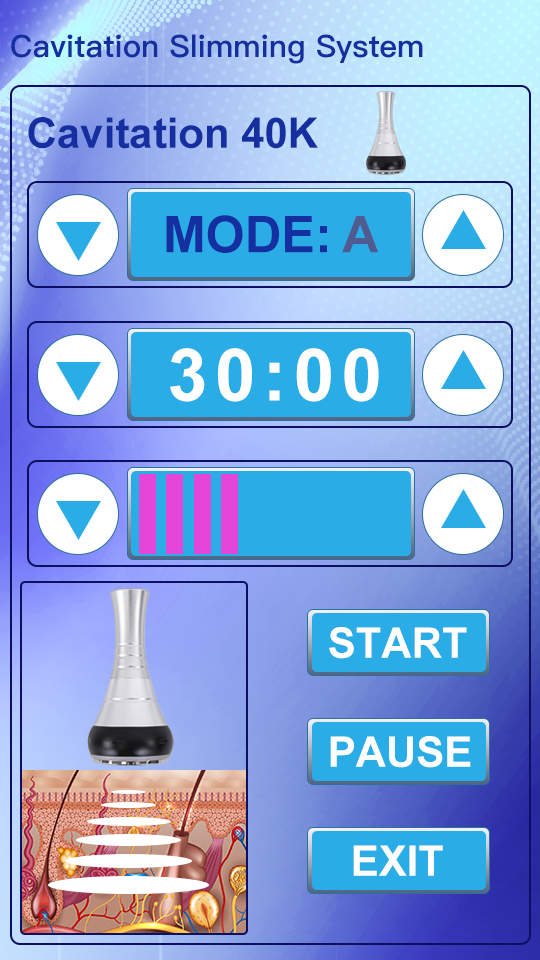
On the cavitation machine control panel, the letters change the delivery rhythm—continuous versus increasingly spaced pulses. They do not replace the energy control. Mixing up MODE and ENERGY is the fastest way to choose a setting you did not intend.
The short answer
Mode A is continuous output. Modes B, C and D introduce progressively longer pauses on this control layout. The energy level controls intensity separately. Start with a pulsed mode and low energy when learning a handpiece, then change one setting at a time.
 The useful distinction is continuous versus pulsed delivery. Exact timing must be confirmed against the manual for the machine in front of you.
The four modes at a glance
| Mode | Pattern on SQ16/SQ16B-style controls | Practical feel |
|---|---|---|
| A | Continuous output | Most constant; can feel more intense or build warmth faster |
| B | Short pause between pulses | Near-continuous rhythm with brief breaks |
| C | Longer pause between pulses | More clearly pulsed and easier to assess |
| D | Longest pause of the four | Gentlest starting rhythm |
MODE, ENERGY and TIME are three different controls
- MODE changes when the output is on and off.
- ENERGY changes the selected intensity level while output is active.
- TIME controls how long the function runs.
Mode D at a high energy level is not automatically “weak.” It is high intensity delivered with longer pauses. Mode A at a low energy level is continuous but not automatically the highest possible output. Read the three settings together.
How the modes appear on RF and cavitation functions
| Function | What you notice | What not to assume |
|---|---|---|
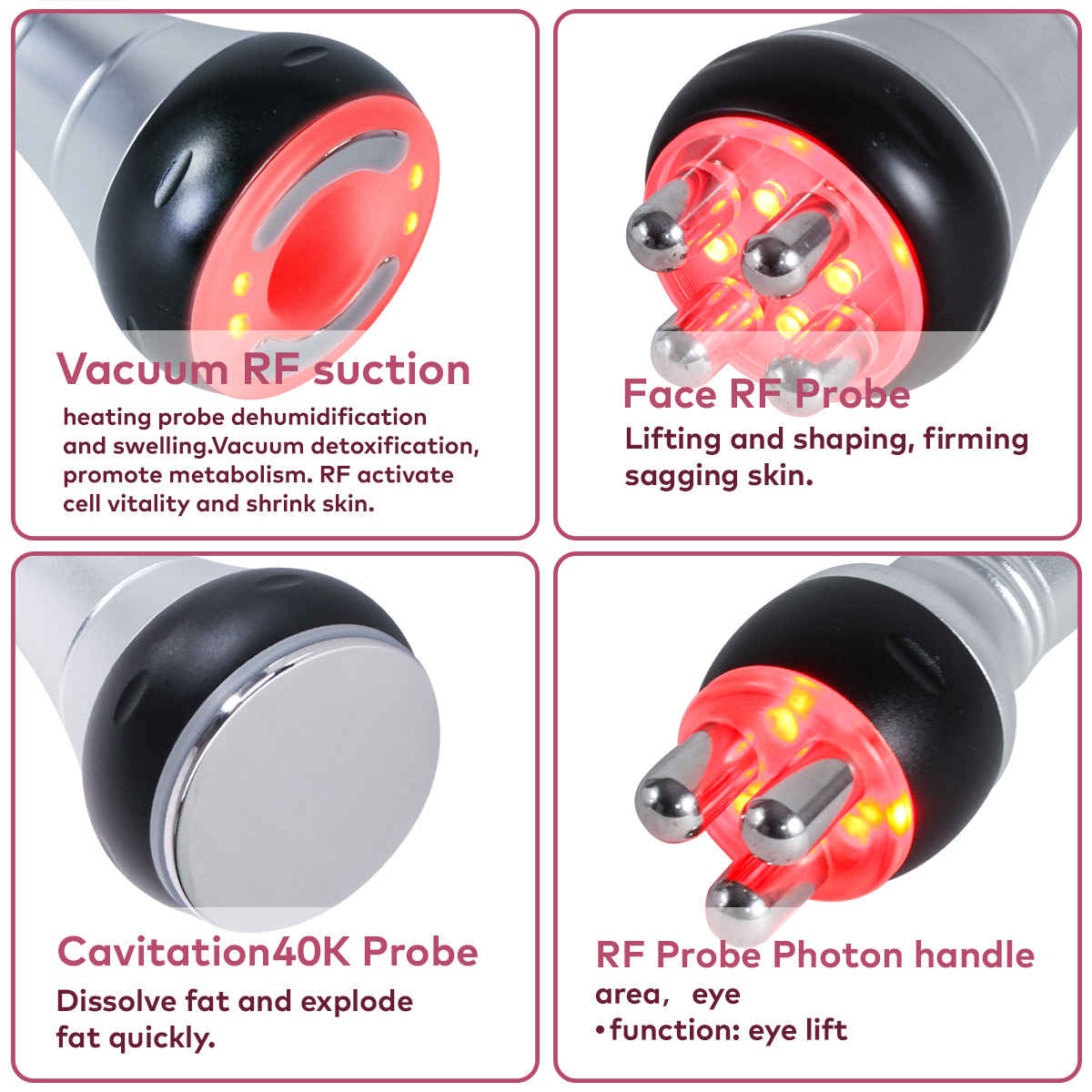
| RF handpiece | Warmth can build faster in a continuous mode; the indicator light may appear continuous or pulsed. | The light is not a calibrated RF-output meter. |
| 40K cavitation handpiece | You may notice a continuous or interrupted operating rhythm and a high-pitched sound. | More sound does not prove more effective output. |
| Vacuum RF handpiece | Suction and RF can have separate controls. | That A–D necessarily controls vacuum strength. |
Which mode should a beginner choose?
Start with C or D at the lowest practical energy level for the intended handpiece. This is not because D is a magic beginner program; it simply makes the on/off rhythm easier to tolerate and evaluate. If contact is correct and the area remains comfortable, move toward B or A only within the supplied instructions.
Change one variable at a time.
Do not jump from Mode D at low energy to Mode A at high energy and then guess which change caused the difference.
A clean operating sequence
- With the unit safely powered down as directed, connect the correct handpiece.
- Confirm the body area is allowed for that handpiece.
- Apply the contact medium specified in the manual.
- Select the correct function screen—not merely the mode letter.
- Choose a pulsed mode and low energy for the first pass.
- Start output and keep the active handpiece moving continuously.
- Pause before changing settings; stop for pain, burning or unusual heat.
- Power down, disconnect and clean the handpiece as instructed.
The most common mode mistakes
- Assuming A is “best” because it is continuous.
- Using the letter as a substitute for adjusting energy.
- Watching the indicator light instead of monitoring contact and skin comfort.
- Using the same mode definitions on another brand without checking its manual.
- Changing mode, energy and time simultaneously.
- Parking an active handpiece over one spot.
Frequently asked questions
Is Mode A always the strongest?
It is the most continuous pattern on this control layout. Actual intensity is still controlled by ENERGY, so “continuous” and “highest energy” are not the same statement.
Can I change mode during a session?
Use PAUSE first, adjust the setting, then restart if the manual permits it. Do not continue moving through menus while assuming the output has stopped.
Why does the RF handpiece light flash?
On this machine family, the flash pattern reflects the selected mode. Treat it as an indicator, not as a measurement of delivered RF energy.
Are A–D modes universal?
No. Continuous versus pulsed output is common, but letters and timing vary. Check the exact manual.
Which mode should I use on the face?
First choose the facial RF handpiece—never the body cavitation head. Then start with a conservative pulsed mode and low energy according to the manual.
Sources for this machine guide
- SQ16/SQ16B supplied user manual and on-device control labels.
- Current SQ16B machine and handpiece overview
- FDA body-contouring safety overview
This explanation is specific to the cavitation machine interface shown. Follow the manual supplied with the exact machine and stop if operation does not match the screen or instructions.