
Does Ultrasonic Cavitation Really Work? 7 Honest Truths You Need to Know
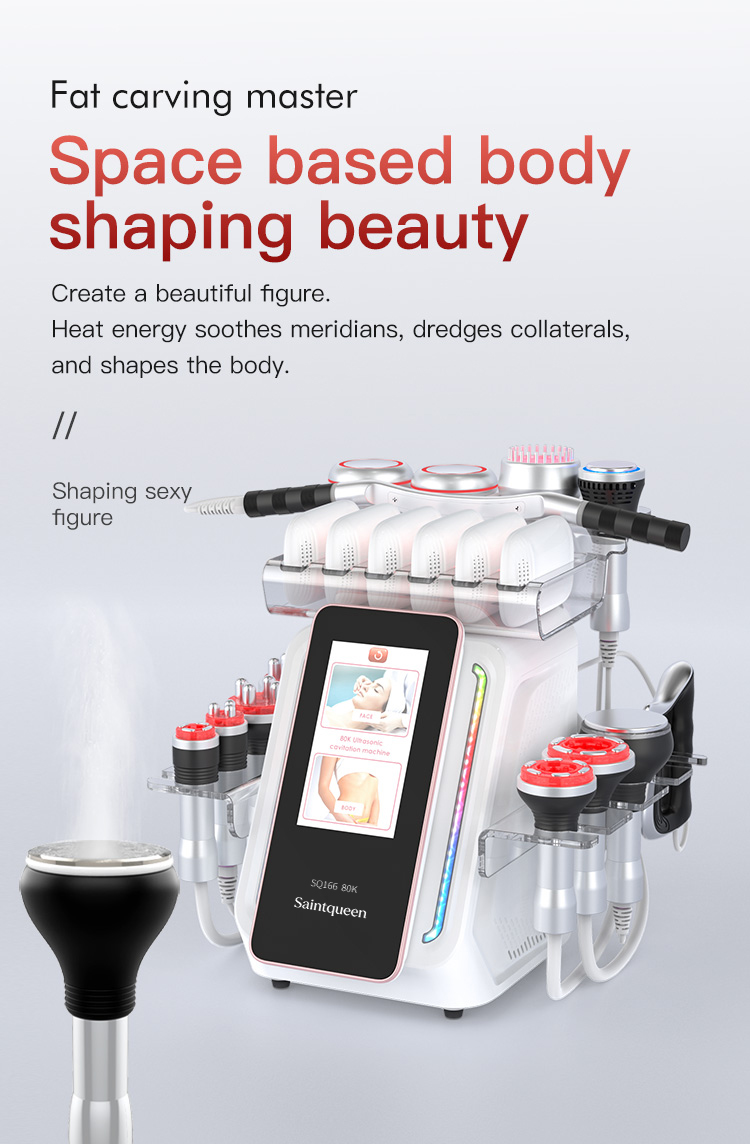
Search online for "cavitation" and you'll find two extreme camps: people swearing they dropped 5 cm after a few sessions, and people calling it a complete scam. Who's right?
This post doesn't take sides or push any brand. We're simply laying out the 7 evidence-based facts that keep coming up across dermatologist interviews, peer-reviewed clinical studies, and real buyer reviews. By the end, you'll know exactly whether cavitation fits your body, your goals, and your budget.
Contents
- Truth #1 — Cavitation is a body-contouring device, not a weight-loss device
- Truth #2 — It reduces inches, not pounds
- Truth #3 — 40K vs 80K isn't as big a deal as sellers claim
- Truth #4 — Multi-function machines aren't marketing fluff
- Truth #5 — Results can "come back" if you don't maintain them
- Truth #6 — The first 4 hours after treatment decide 70% of your result
- Truth #7 — 5 groups of people must never use it
- Which SaintQueen Cavitation is right for you?
- FAQ
01Truth #1: Cavitation is a body-contouring device, not a weight-loss device
This is the #1 misconception that trips up first-time buyers. Ultrasonic cavitation uses low-frequency sound waves (typically 40 kHz or 80 kHz) to disrupt the membranes of subcutaneous fat cells. The released triglycerides then travel through your lymphatic system to the liver and get metabolised as waste.
But what it actually does is "empty" fat cells, not "burn" calories. In other words, cavitation reduces circumference (inches), not weight (pounds). The single most-quoted line from peer-reviewed cavitation literature is:
So if you're expecting to "lose 5 kg in one session", cavitation isn't your answer. It's designed for people who are already close to their goal weight (BMI < 30, ideally < 25) but have stubborn pockets of fat on the abdomen, thighs, or arms that won't budge with diet and exercise. If you're dealing with generalised obesity, the standard route is dietary change, resistance training, and clinical intervention first.
02Truth #2: It reduces inches, not pounds
The landmark Teitelbaum et al. (2007) multi-center controlled trial — still cited as the FDA-cleared benchmark — measured a mean abdominal circumference reduction of ~2.0 cm and a fat-layer thickness reduction of ~2.9 mm at the 12-week follow-up after a single treatment.
A 2019 study in the Journal of Cosmetic Dermatology found an average waist circumference reduction of 2.5 cm after 8 sessions, compared to 0.4 cm in the control group. That's meaningful — but not transformative.
Here's the catch: your bathroom scale will barely move. That's because the released fat is processed by your liver, not burned for energy. The grams lost are small; the centimetres lost are visible. That's why doctors track progress with a tape measure, before/after photos, and how jeans fit — not the scale.
03Truth #3: 40K vs 80K isn't as big a deal as sellers claim
Many brands push frequency as their #1 selling point. The clinical reality is simpler:
- 40 kHz — Longer wavelength, deeper penetration, larger bubbles. Best for abdomen, thighs, buttocks with thicker fat layers. Most home-use entry-level machines use 40 kHz.
- 80 kHz — Shorter wavelength, more focused energy, finer bubbles. Best for arms, double chin, flanks with thinner fat layers, and for users with more sensitive skin. 80 kHz devices cost more and target the mid-to-high tier.
The peer-reviewed "acoustic window" for cavitation sits between roughly 40 kHz and 60 kHz — that band optimises energy delivery to adipocytes while sparing the dermis and muscle. Both 40 kHz and 80 kHz fall inside or just outside this window, so neither is "wrong".
If your budget allows and your goal is stubborn fat, 80 kHz is the better long-term choice. If it's just routine home maintenance, 40 kHz is perfectly adequate.
04Truth #4: Multi-function machines aren't marketing fluff
When you see "5-in-1", "9-in-1", or "13-in-1", your first instinct is probably "that's spec-stacking marketing". But the clinical feedback is more nuanced. Combining cavitation with RF (radio frequency), vacuum, EMS, lipo laser, and BIO/LED delivers two real benefits:
- Cumulative effect — Cavitation empties the fat cell → RF tightens the overlying skin → vacuum boosts lymphatic drainage → EMS tones the underlying muscle. Cavitation alone only fixes "fat"; most users also struggle with "loose skin" and "cellulite" simultaneously, and a multi-function machine addresses all three in a single session.
- Shorter sessions — A single-function machine needs ~30 minutes per area. A 5-in-1 device completes "fat + skin + drainage" in ~15 minutes.
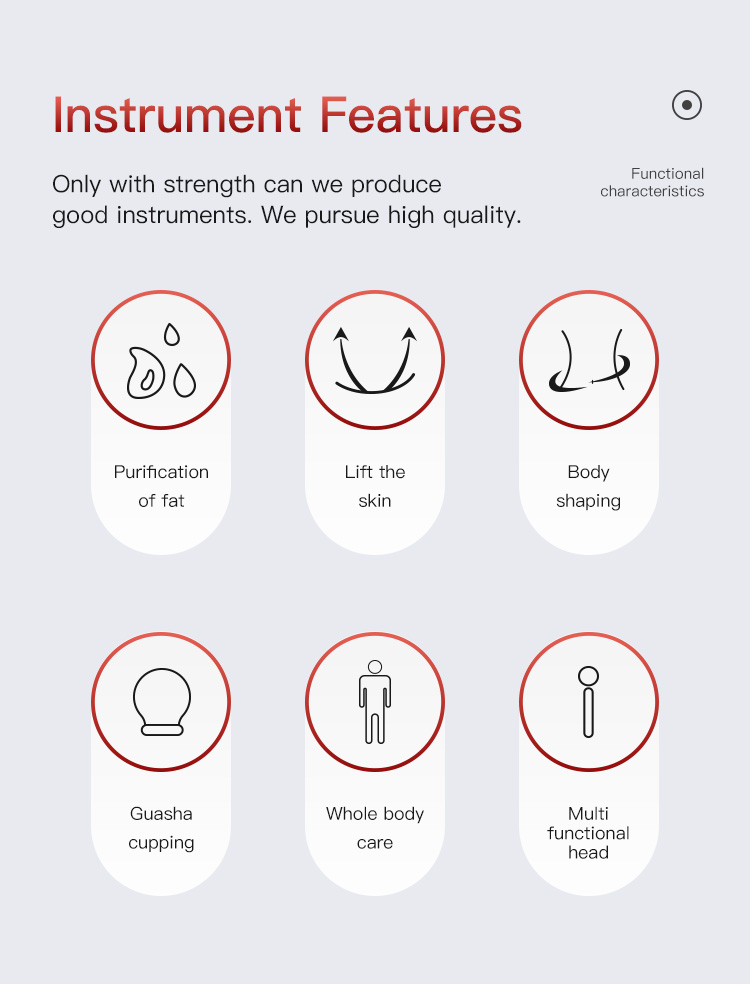
The trade-off is real too — higher price, steeper learning curve, more modes to master. So beginners should start with a 3-in-1 or 4-in-1, then graduate to 9-in-1 or 13-in-1 once they're comfortable.
05Truth #5: Results can "come back" if you don't maintain them
Another common misconception. Cavitation empties fat cells, and those emptied cells do not regenerate (similar to liposuction). But the remaining fat cells can still expand. If you finish your treatment course and immediately return to a high-calorie, sedentary lifestyle, the surviving fat cells will refill — and you'll perceive that as "the cavitation didn't work".
The standard recommendation from clinicians: continue with high-protein meals, 30 minutes of daily cardio, and 2–3 litres of water per day after your course. Results typically hold for 12–24 months, with 1–2 maintenance sessions per year if needed.
06Truth #6: The first 4 hours after treatment decide 70% of your result
Many people walk out of a cavitation session thinking the work is done. Dermatologists disagree. The 4 hours immediately after your session determine ~70% of the outcome. Here's the 5-step post-care protocol:
- Hydrate aggressively — 2–3 litres of water per day for at least 72 hours. Water is the carrier that flushes the released fat through your lymphatic system. No water = no clearance.
- Light cardio within 4–6 hours — 20–30 minutes of walking, cycling, or slow jogging to stimulate lymphatic circulation.
- No alcohol for 24 hours — Alcohol burdens the liver and slows fat metabolism.
- Wait at least 72 hours between sessions — Your lymphatic system needs time to clear debris. Stacking sessions too close together doesn't speed up results.
- Eat clean for the next month — Less sugar, less fried food, less ultra-processed anything. Give your body a clean metabolic environment.
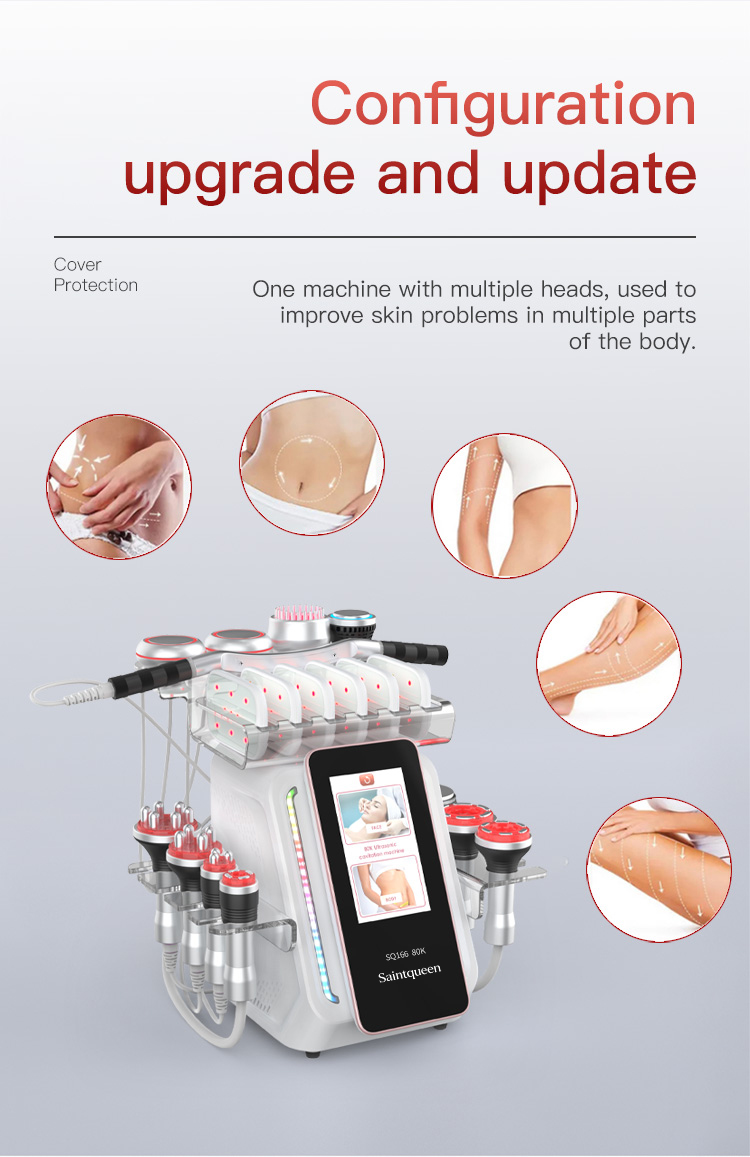
The flip side is also true. Walk out, lie on the couch, drink a cold soda, eat fried food for dinner — and you've essentially wasted the session.
07Truth #7: 5 groups of people must never use it
Cavitation is safe for the vast majority of healthy adults. But there are absolute contraindications. If you fall into any of these groups, please consult a physician before considering any cavitation device:
- Pregnancy or breastfeeding
- Pacemakers, implanted defibrillators, cochlear implants, or any metallic implant in the treatment area
- Severe liver, kidney, or cardiac disease
- Active cancer, tumours, skin infections, or open wounds in the treatment area
- Blood-clotting disorders or anticoagulant medication
- Type 1 diabetes
- Epilepsy
- Thyroid disease (avoid treating over the thyroid gland)
- Treatment of the lower abdomen during menstruation
- Under 18 years of age
A qualified device + a qualified operator + a healthy client = very low risk. The moment you cross one of those red lines, cavitation's "low-risk" profile becomes "high-risk". Always disclose your full medical history to your operator.
Which SaintQueen Cavitation is right for you?
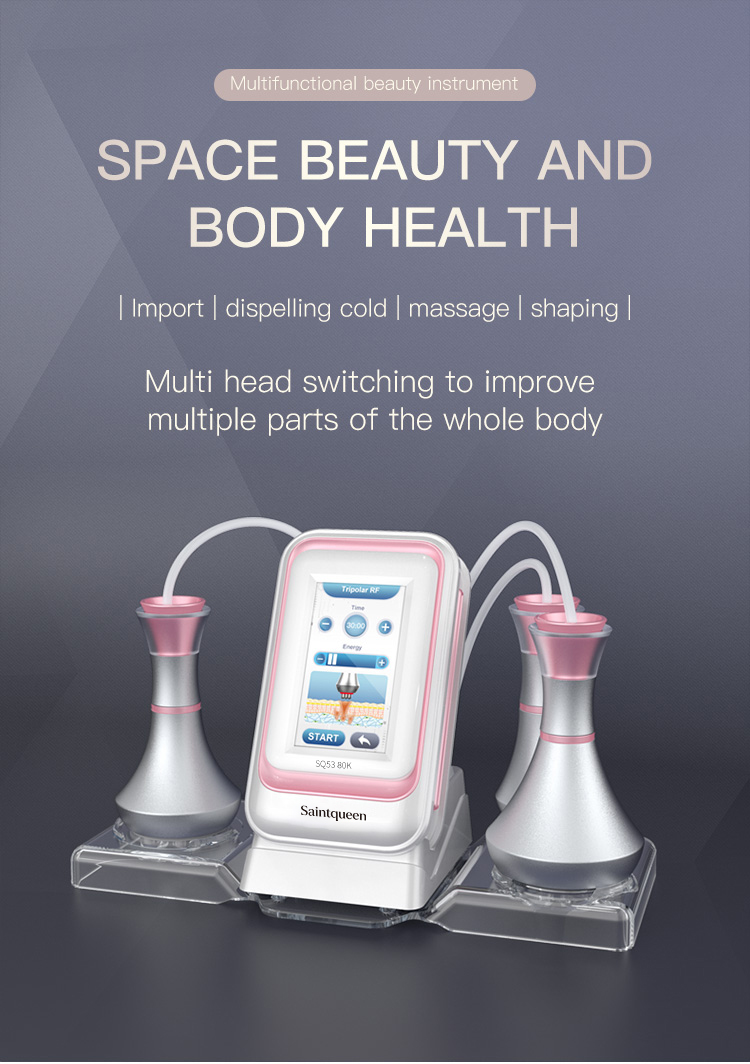
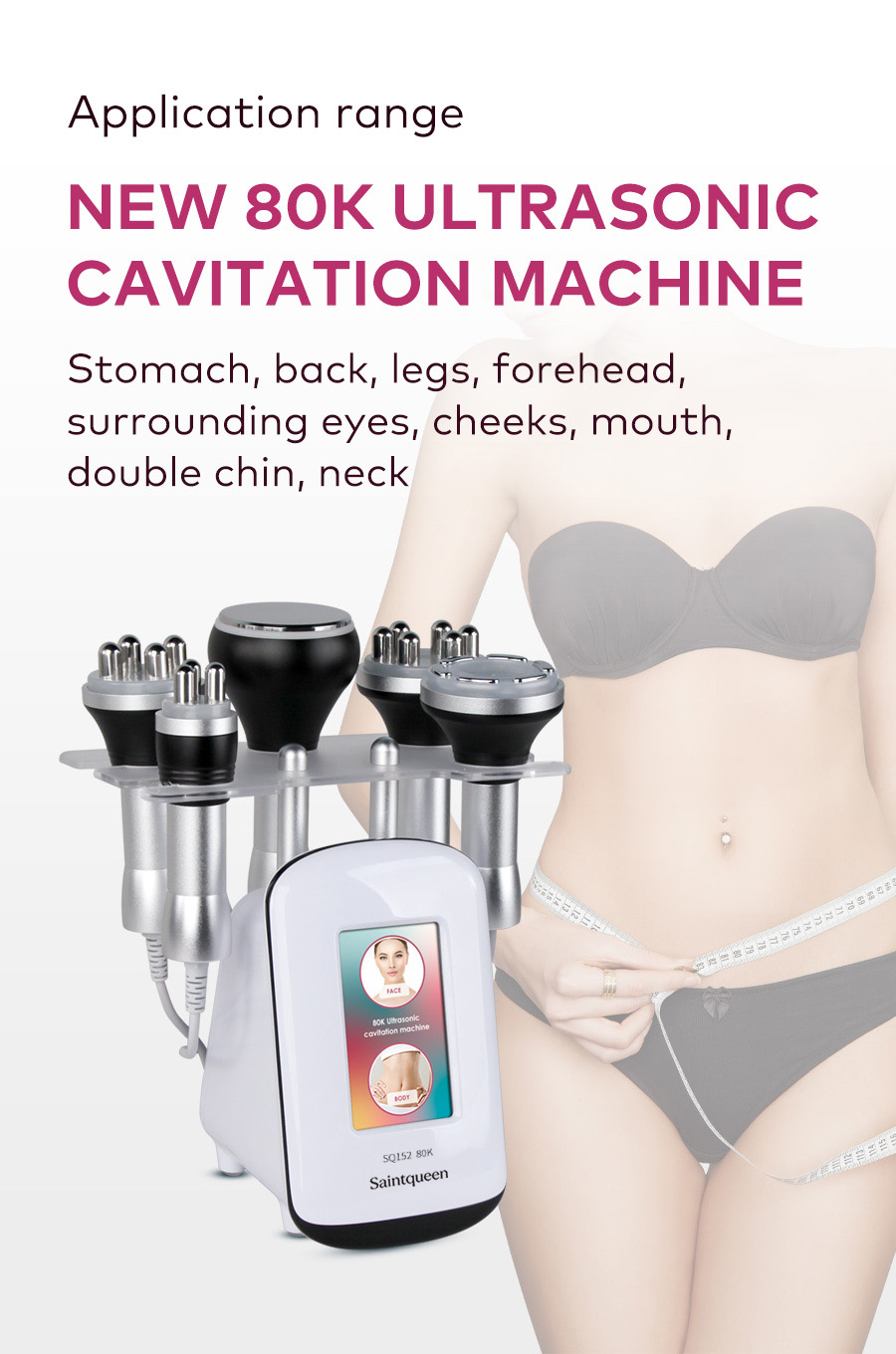
If you've decided cavitation fits your goals, here are three standout models from the SaintQueen 80K Cavitation collection, covering entry-level, home mainstream, and professional salon tiers:
FAQ
How long is a full cavitation course, and how many sessions do I need?
A standard course is 6–12 sessions, spaced 3–7 days apart (we recommend a minimum of 72 hours between sessions to let your lymphatic system clear the released fat). Peak results usually appear 4–6 weeks after your final session.
Does cavitation hurt?
No. Most users describe it as "a warm sensation plus a faint ringing in the ears" — both normal. A small number of users feel mild tingling in sensitive areas. If you feel actual pain, the intensity is set too high and should be reduced immediately.
How soon after a session can I shower?
Avoid hot baths, saunas, and intense exercise for the first 4 hours — your body is in active metabolic clearance mode and adding heat or heavy circulation can disrupt the process. After that, normal showering is fine; just avoid prolonged very-hot water on the treated area.
Can cavitation replace liposuction?
No. Cavitation is non-invasive, with gradual but no-downtime results. Liposuction is invasive surgery, with dramatic immediate results but real recovery time and surgical risks. They serve different goals: pick cavitation for "slow, steady, low-commitment improvement of specific pockets"; pick liposuction for "one-and-done body reshaping".
How big is the gap between home cavitation and salon cavitation?
The gap mainly shows up in power output, frequency stability, and the number of handpieces. A home device delivers roughly 60–80% of a professional machine's per-session effect, so you'll need more sessions (home: 8–12 ≈ salon: 6–8). The trade-off is convenience and long-term cost — owning your own machine pays for itself within a few months if you'd otherwise book weekly salon visits.
Is cavitation safe for darker skin tones?
Yes. Unlike high-power lasers or IPL, cavitation uses mechanical (acoustic) energy, not thermal or light-based energy, so it doesn't carry the same pigmentation risks for Fitzpatrick IV–VI skin types. There is no melanin-selective absorption. That said, always disclose your full medical history and follow the operator's contraindications screening.
